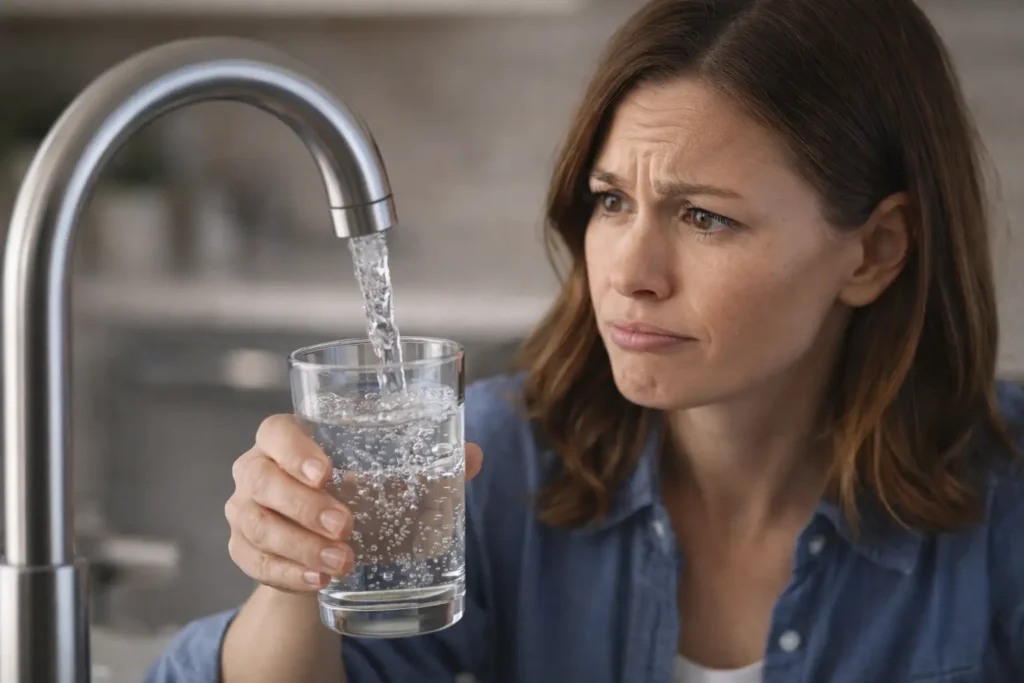
If you’ve been seeing headlines about “fluoride being reviewed” and you’re thinking, Wait… should I be worried?, you’re not alone. 💬
Here’s the calm, practical truth: the U.S. Environmental Protection Agency (EPA) has started a new human health toxicity assessment of fluoride in drinking water, and they’ve opened a public comment period that ends February 27, 2026.
This post will help you understand—without panic, without politics—what’s happening, what’s being reviewed, what this does and does not mean for your family, and what smart steps you can take today.
What happened (the 60-second version)
- January 22, 2026: EPA announced the next step in a “gold standard” review process and released a preliminary plan + literature survey for public comment.
- January 28, 2026: The notice was published in the Federal Register, formally opening the comment period and clarifying how EPA expects to use the toxicity assessment.
- Right now: You can read the official materials and submit comments through Regulations.gov.
- February 27, 2026: Public comments close.
So yes—this is real, it’s active, and it has a deadline. But it’s also not an overnight “flip a switch” event. It’s a review process.
What the EPA is reviewing (and what it’s not)
This is the part most people miss—and it’s the key to staying grounded.
What EPA is reviewing
EPA is working on a human health toxicity assessment for fluoride exposure from drinking water. In plain English, that means:
- How scientists will identify and evaluate studies
- Which health outcomes will be considered
- How exposure levels will be modeled
- How uncertainty and study quality will be handled
- And eventually: what levels of exposure might be associated with harmful effects (in the draft toxicity assessment later on)
EPA notes that the toxicity assessment can help inform:
- Potential future decisions about revising the drinking water standard under the Safe Drinking Water Act (SDWA)
- And potentially inform public health recommendations (EPA has referenced CDC recommendations in its materials).
What EPA is not reviewing (important)
According to reporting on the process and EPA’s own documents, this toxicity assessment focuses on potential harmful effects and does not evaluate the dental benefits of fluoride in preventing cavities.
That doesn’t mean benefits are “gone.” It means the scope of this assessment is risk-focused.
Why does this matter to regular people (not just policy folks)?
Because information like this can change behavior fast—even before anything officially changes.
When people feel uncertain, they may:
- Stop using fluoridated toothpaste
- Switch water sources abruptly
- Start over-filtering without understanding what their filter removes
- Or swing between “fluoride is dangerous” and “nothing matters”
None of those extremes are helpful. 😊
The smarter move is to understand the review, keep your daily habits strong, and talk to a dental professional if you’re making big changes—especially for kids or high-cavity-risk adults.
Quick clarity table: what we know vs. what’s being evaluated
| Topic | What we know today | What EPA’s 2026 review is doing |
|---|---|---|
| The process | EPA released a preliminary plan + literature survey and opened public comments | Setting the roadmap for how evidence will be gathered and evaluated |
| The goal | Toxicity assessment to inform future decisions about standards | Building a risk-focused assessment framework (study screening, evaluation, exposure modeling) |
| Dental benefits | Not the focus of this toxicity assessment | EPA’s assessment is framed around potential harmful effects rather than benefits |
| Timing | Comments close Feb 27, 2026 | After comments, EPA moves toward draft assessment + peer review steps |
Who should pay the most attention?
You can read this even if you’re just curious—but a few groups benefit from extra clarity:
1) Parents of young children 👶
Parents often ask: “Should my child avoid fluoride completely?”
What matters most is cavity risk + how fluoride is used, not just one headline. Kids with high cavity risk can be affected quickly if protective habits change.
2) People who get cavities easily 😬
If you’ve had frequent fillings, sensitivity, or early decay, your prevention plan matters more than any viral debate.
3) People on well water or using heavy filtration 🚰
Your fluoride exposure may already be different than your neighbor’s depending on water source and filtration type.
4) Anyone making a sudden switch
If you’re about to do something big—like switching to only bottled water, removing fluoride toothpaste, or giving kids unfluoridated routines—pause and make it a data-informed choice.
What should you do today (no matter what happens next)?
This is the “boring” part that wins long-term. ✨
A calm, dentist-style checklist
✅ Keep brushing twice daily with a fluoride toothpaste unless your dentist has told you otherwise.
✅ Use the right amount:
- Kids under 3: a smear/rice-grain amount
- Kids 3–6: a pea-sized amount
✅ Spit, don’t rinse hard (reduces how much protective fluoride you wash away).
✅ Floss daily (or use interdental brushes if that’s easier).
✅ If you’re high-risk: ask about fluoride varnish, prescription toothpaste, or targeted prevention.
✅ If you have concerns: talk to a dentist who can personalize the advice to your risk level and medical context.
If you’re not sure what your cavity risk is—or you’re trying to decide what’s best for your family—use a “find a dentist” option like OpenCare and ask a simple question at your next visit:
“Based on my risk, what’s the best fluoride plan for me?”
(And yes: “risk-based fluoride” is a thing. It’s not one-size-fits-all.)
“Should I switch my water right now?”
For most people, there is no urgent need to make sudden changes purely because a review is happening.
Here’s a practical way to think about it:
- If you’re not having dental problems: focus on steady prevention and stay informed.
- If your household has high cavity risk (kids with multiple cavities, adults with dry mouth, orthodontics, etc.): be cautious about removing proven prevention habits suddenly.
- If you’re on well water: your fluoride exposure might be low or variable already—so talk to your dentist about targeted prevention.
If you want to understand your water situation better, check local utility reports (many municipalities publish them), and if you’re filtering, confirm what your filter actually removes.
How to submit a public comment (neutrally, in plain English)
If you want to participate, you don’t need to be a scientist. You just need to be respectful, specific, and relevant.
Step-by-step
- Open the docket on Regulations.gov (EPA-HQ-OW-2025-3823).
- Read the overview + supporting documents.
- Click “Comment” and submit your feedback before the deadline (Feb 27, 2026).
What makes a helpful comment?
- Ask for high-quality evidence standards (study design quality, confounders, transparency)
- Ask for clear communication to the public
- Ask for risk-based guidance that accounts for different populations
- Avoid one-liners like “ban it” or “do nothing”—those don’t help reviewers evaluate science
The ADA has also emphasized the importance of an objective, evidence-based process.
Common questions (FAQ)
1) “Is fluoride safe?”
Safety is about dose + exposure + individual risk. The EPA’s process is specifically looking at potential harmful effects at certain exposure levels, using a structured review of the science.
If you want personal, actionable guidance, the most useful question is: “What’s the safest and most effective fluoride plan for my risk level?”
2) “Does this mean fluoride will be removed from drinking water?”
Not automatically. A review and a public comment period do not equal an immediate policy change. This process can inform future decisions, but it doesn’t function like a same-week rule change.
3) “Should I stop using fluoridated toothpaste?”
For most people, no—not based on the fact that a review exists. Fluoride toothpaste is a standard preventive tool, and stopping it can raise cavity risk quickly in some households. If you have a specific medical concern, discuss it with a dentist.
4) “What about kids—should they avoid fluoride?”
Kids benefit from prevention, but they also need correct dosing and supervision. The biggest preventable issue with kids is usually too much toothpaste swallowed, not brushing with a tiny, appropriate amount.
5) “Does a water filter remove fluoride?”
Some filters reduce fluoride; many do not. It depends on the filter type (e.g., certain reverse osmosis systems vs. basic carbon filters). If you rely on filtration, verify with the manufacturer and consider what that means for cavity prevention.
6) “If benefits aren’t being reviewed, is this biased?”
Not necessarily—it’s scoped. EPA is conducting a toxicity assessment focused on potential harmful effects, while dental benefits are typically addressed in other public health contexts.
A smart expectation is transparency: clear methods, peer review steps, and communication that helps the public understand what the review can and cannot conclude.
7) “What’s the most practical takeaway today?”
Don’t let a review interrupt your prevention plan. Cavities don’t wait for policy timelines. Keep brushing and flossing, and if you’re high-risk, get a tailored plan.
8) “What if I’m still anxious?”
Then you’re exactly the type of person this post is for. 😊
Anxiety usually drops when you move from “headline” to “process”: what’s happening, where to read official sources, and what actions are safe and sensible today.
Medical Disclaimer: This post is for information only and isn’t medical advice. It doesn’t diagnose or treat anything. For personal guidance, talk to a licensed dentist. If you have severe tooth pain, facial swelling, fever, trouble swallowing/breathing, or signs of infection, seek urgent care.
Affiliate Disclosure: Some links in this post may be affiliate links, including “find a dentist” links. If you click and book, we may earn a small commission at no extra cost to you. This helps support the site. We only recommend resources we believe are helpful.