
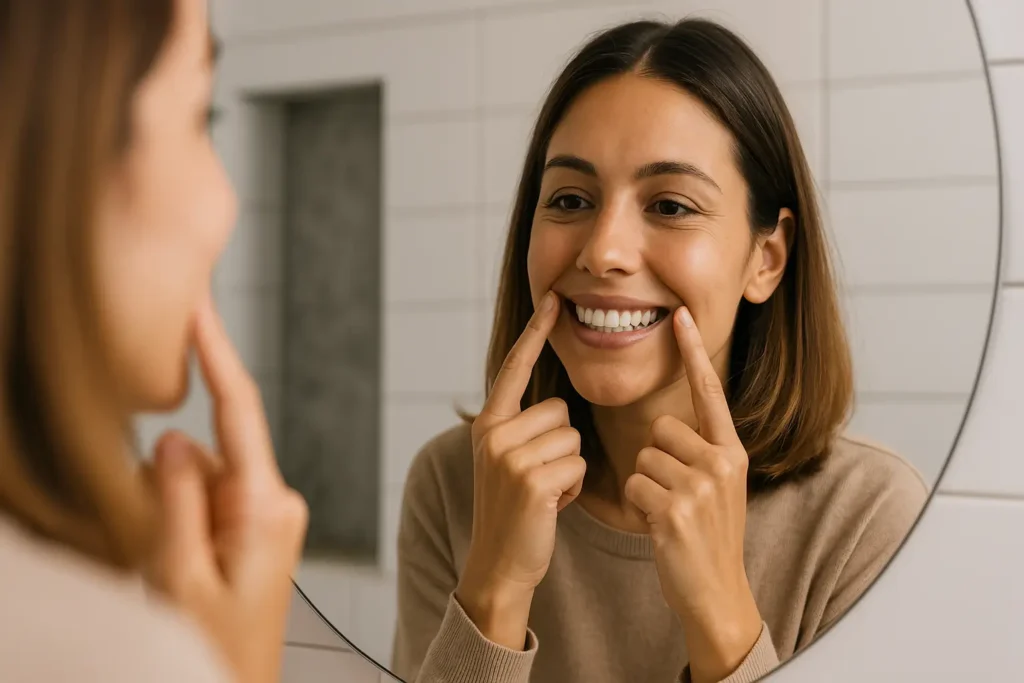
Have you ever caught your reflection and noticed the lines that trace from your nose to the corners of your mouth — those gentle creases that deepen when you laugh? 😊 They’re often called smile lines, and while they tell a story of joy, laughter, and expression, many people wish they appeared just a little softer.
If that sounds like you, you’re not alone — not even close. ❤️ These lines are one of the most common aesthetic concerns people bring up during dental or cosmetic consultations. And it’s not about vanity; it’s about how you feel when you smile.
You deserve to feel radiant and confident — not just about your teeth, but about the warmth of your entire smile. The great news? There are many ways to soften these lines while still looking completely natural.
This guide walks you through everything — from the real causes of smile lines (they go deeper than just skin!) to the most effective smile lines treatment options, both dental and aesthetic. Let’s explore together, kindly and clearly. 💬
What’s Really Behind Your Smile Lines
Before we jump into treatments, let’s understand what’s happening.
“Smile lines” is a friendly name for two main types of facial folds:
- Nasolabial folds: Run from the sides of your nose to the corners of your mouth. They’re a normal part of human anatomy — visible even in children — but they become more pronounced with age.
- Marionette lines: Extend downward from the corners of your mouth toward your chin, sometimes giving a tired or downturned expression. 😬
These lines form naturally as we age, but the reasons they deepen aren’t only skin-related. The health and structure of your mouth play a big role too — something most people don’t realize.
Think of your teeth and jawbone like the frame of a house. When that frame is strong, the “walls” (your skin and muscles) stay firm and smooth. But when the structure changes, the exterior begins to sag.
The Dental Connection You Might Not Expect
Many people assume smile lines are only a dermatology issue, but dentistry is a huge part of the picture. Let’s look at why. 🦷
1. Tooth Loss and Bone Resorption
When a tooth is lost — even one hidden in the back — the bone underneath starts to shrink. This is called bone resorption, a process the National Institute of Dental and Craniofacial Research (NIDCR) explains as the body’s natural response when bone is no longer stimulated by a tooth root.
As the bone thins, your cheeks can appear hollow, and the skin folds inward, deepening nasolabial lines. Over years, this subtle change reshapes the entire lower face.
2. A Worn or Misaligned Bite
If you grind your teeth (bruxism) or have a misaligned bite, your teeth slowly shorten. When that happens, your jaw closes further to meet your upper and lower teeth — compressing the skin around your mouth. The result? Creases that resemble marionette lines.
Restoring your bite length (dentists call it “vertical dimension”) can gently re-lift these areas, naturally smoothing the lower face.
3. Shifting Teeth
Over time, teeth can drift slightly forward or inward. It’s subtle, but it changes how your lips rest and how the skin around your mouth drapes. This gradual movement can make lines more visible.
Understanding these dental foundations empowers you — because treating smile lines effectively often starts from the inside out.
Professional Treatment Options for Smile Lines
Let’s explore your main options. Treatments fall into two categories:
- Dental and structural solutions (inside-out approach)
- Aesthetic and dermatological solutions (outside-in approach)
The most natural results often come from a thoughtful combination of both. 🌸
Dental Solutions: Rebuilding Facial Support
Restorative Dentistry (Implants, Crowns, and Bridges)
If tooth loss or bite wear is part of the cause, restorative dentistry can literally rebuild your facial foundation.
- Dental Implants: Titanium posts placed in the jawbone replace missing roots and stimulate bone growth, keeping your facial structure strong. This support helps maintain your cheek and lip contours — reducing the hollow or sunken look that deepens smile lines.
- Crowns and Bridges: Restoring worn teeth with crowns or bridges brings back natural height, reopening the collapsed bite. This gentle lift can make your chin and jawline look more defined — like a subtle, non-surgical facelift.
Restoring these foundations is one of the most powerful and long-lasting ways to rejuvenate your smile.
Orthodontic Options (Clear Aligners)
Alignment affects facial balance more than most people realize. Crooked or crowded teeth can throw off symmetry, and correcting them can smooth facial tension.
Discreet solutions like Clear Aligners help reposition teeth for a more harmonious bite. As your teeth shift back into place, your facial muscles relax — reducing strain that contributes to deep folds. 💙
Cosmetic Dentistry (Veneers)
Veneers aren’t only for creating “perfect” teeth — they can also subtly enhance facial structure. By customizing shape and thickness, veneers can slightly support your upper lip, helping minimize vertical lines above the mouth.
💬 Expert Insight:
“You can’t treat the outside without understanding the inside. If the bite collapses, even the best filler won’t hold. The most natural transformations happen when dentistry and facial aesthetics work together.”
Aesthetic & Dermatological Solutions: Refining the Surface
Once the foundation is stable, it’s time to smooth and refine the skin itself. ✨
Dermal Fillers (Hyaluronic Acid)
Dermal fillers are among the most popular smile line treatments. These injections use hyaluronic acid, a substance naturally found in your skin that attracts and holds moisture.
- How They Work: A small amount of filler is gently injected beneath the line, lifting and plumping from within.
- Treatment Time: Usually 20–30 minutes with minimal downtime.
- Results: Immediate and natural-looking, lasting about 6–18 months depending on your metabolism.
Most patients leave the office looking refreshed rather than “done.”
Botulinum Toxin (Botox®, Dysport®, etc.)
Botox isn’t a filler — it relaxes the muscles that tug down the corners of the mouth. Used carefully, it can soften marionette lines and subtly lift your expression.
According to the American Dental Association’s continuing education program on Botox therapy, dentists who complete accredited training can safely and effectively use botulinum toxin for facial and dental applications. It’s not for every case but works beautifully when combined with other treatments.
Skin Resurfacing (Microneedling, Laser, Peels)
These treatments boost collagen — the protein that keeps skin firm.
- Microneedling: Creates micro-injuries that trigger new collagen formation.
- Laser Resurfacing: Uses targeted light energy to renew damaged skin layers.
- Chemical Peels: Gently exfoliate surface cells, revealing smoother, younger skin.
The Mayo Clinic notes that results vary based on depth, intensity, and aftercare — but all aim to encourage your skin to rebuild itself naturally.
Comparing Treatment Approaches
| Treatment Type | Best For | Pros | Cons |
|---|---|---|---|
| Dental Implants | Bone loss or missing teeth | Permanent, preserves facial volume | Surgical, higher cost |
| Crowns / Bridges | Collapsed bite, worn teeth | Restores structure, long-lasting | Multi-visit process |
| Clear Aligners | Misalignment, uneven support | Improves symmetry, discreet | Requires consistency |
| Dermal Fillers | Volume loss in folds | Immediate results, natural feel | Temporary |
| Microneedling / Lasers | Skin texture and fine lines | Stimulates collagen, improves glow | Gradual results, multiple sessions |
Everyday Habits That Support a Youthful Smile
Professional treatments work best when supported by daily care. Here’s a quick checklist ✅
Daily Essentials:
- Sunscreen, always. UV exposure is the #1 cause of premature wrinkles. Use SPF 30+ every day.
- Hydration. Drink water often — it helps skin stay plump and elastic. ☕
- Smart Skincare. Include ingredients like retinoids, vitamin C, and hyaluronic acid in your routine.
- Sleep Position. Try sleeping on your back — side-sleeping compresses facial skin for hours.
Weekly Care:
- Gentle Exfoliation. Once or twice a week to remove dead cells.
- Nutrient-Rich Diet. Think leafy greens, berries, avocados, and nuts — all collagen-friendly foods.
Long-Term Habits:
- Regular Dental Checkups. Early detection of bite wear or bone changes keeps your face supported.
- Stress Management. Chronic stress raises cortisol, which breaks down collagen. Walk, meditate, or enjoy hobbies that make you smile. ❤️
Choosing the Right Professional
Starting your smile lines treatment journey begins with finding a qualified expert who understands both dental structure and facial balance.
- For foundational concerns, start with a cosmetic dentist who can evaluate tooth wear and bite alignment.
- For surface-level refinements, seek a board-certified dermatologist or aesthetic provider experienced with fillers, Botox, or laser therapies.
You can easily locate trusted providers using Find a Dentist Near Me — a simple tool to connect with professionals in your area.
What to Expect at Your Consultation
Your first visit should be open, honest, and collaborative. Here’s what usually happens:
- Goal Discussion: You’ll talk about what bothers you most and what kind of results you want.
- Examination: The provider will assess facial anatomy, bite, and muscle movement.
- Personalized Plan: You’ll receive a clear outline of treatment options, costs, and timelines.
- Expectation Setting: A great provider aims for refreshed, natural results, not an overdone or frozen look.
Many clinics offer financing options or work with third-party services like Dental Loans & Financing to make treatments more accessible.

At-Home Maintenance and Preventive Support
After treatment, maintaining your results is all about care and consistency.
- Skincare Routine: Keep up with your sunscreen and serums.
- Oral Hygiene: Maintain your dental structure with good daily care — brushing, flossing, and using interdental tools like the Interdental Brush.
- Hydration & Nutrition: Keep your skin and tissues nourished from within.
If you ever notice changes in bite comfort, tooth wear, or jaw tension, check in early with a dental professional to prevent recurrence of deepening lines.
When to Seek Expert Advice Online
If you’re uncertain about whether your lines are caused by bite changes, skin issues, or both, you can connect instantly with a licensed dental professional through JustAnswer Dental Experts for personalized guidance. 💬
They can help you understand next steps before committing to in-office treatment — a simple, affordable way to get clarity.
Your Smile Is a Story, Not a Flaw
Every line around your mouth tells a story — of laughter, love, and a life fully lived. Our goal isn’t to erase that story but to help you express it confidently and joyfully. 🌿
Softening smile lines isn’t about perfection; it’s about balance, comfort, and self-assurance. Whether your path includes rebuilding dental foundations, refining skin tone, or simply adopting new daily habits, the most important step is taking care of you.
When you look in the mirror, you deserve to see someone vibrant, rested, and completely yourself. ❤️
If you’re ready to take that next step, start by exploring your options or scheduling a consultation — because every smile deserves to shine.
Medical Disclaimer: Content on HiTechDental.info is for educational purposes only and not a substitute for examination or diagnosis by a licensed dentist or physician. If you experience pain, swelling, or urgent dental symptoms, seek professional care immediately.
Affiliate Disclosure: HiTechDental.info participates in affiliate programs (including Amazon and other trusted partners). When you buy through our links, we may earn a small commission — at no extra cost to you. These partnerships help keep our guides accurate, independent, and free for readers.
© 2025 HiTechDental.info | All rights reserved.