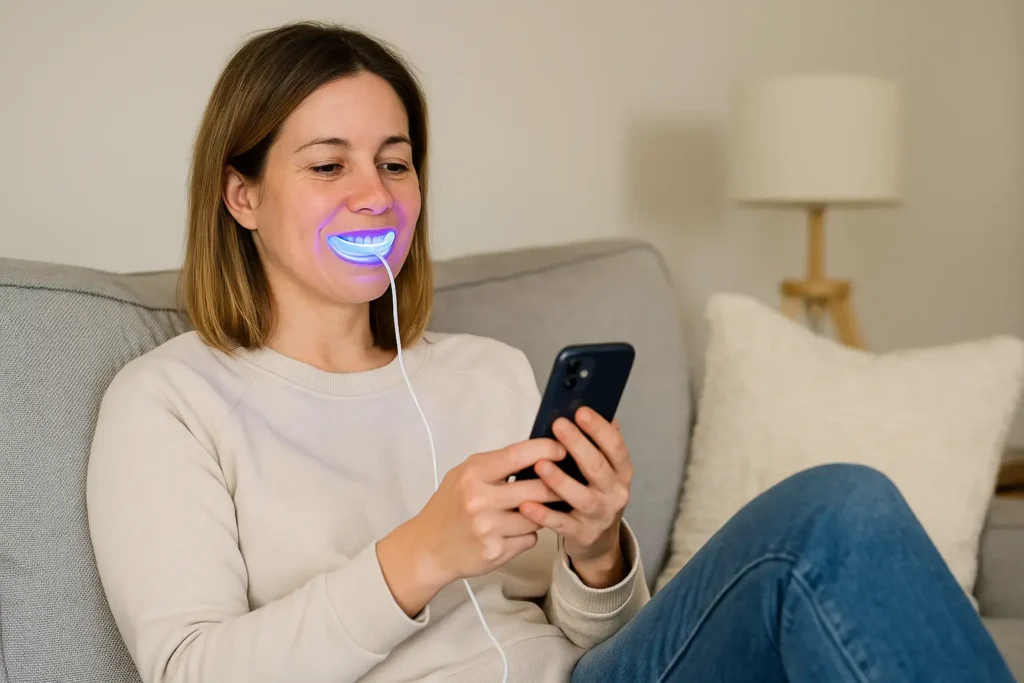
If you’ve been scrolling through social media lately, you’ve probably seen people showing off bright, glowing smiles while holding a sleek white LED device called Snow. Maybe you’ve even paused mid-scroll and thought:
“Is this really safe? Does it actually work? Or is it just another online fad?”
You’re not alone — those are exactly the questions most of my patients ask during check-ups. And you deserve honest, science-backed answers — not a sales pitch. 💙
So today, we’ll take a calm, professional stroll through this Snow Teeth Whitening review — from what’s in the kit to what real results look like. I’ll explain what’s legit, what to watch for, and how to get that confident, camera-ready smile safely.
Why Teeth Lose Their Sparkle (And Why It’s Not Your Fault) ☕🍷
Before diving into any whitening system, let’s clear up the “why.” Understanding what’s causing the dullness helps you set realistic expectations and pick the right fix.
There are two main kinds of stains:
- Extrinsic stains live on the surface of your enamel — usually from coffee, tea, red wine, berries, or tobacco. Think of them as tiny pigments settling into enamel pores. These are the easiest to lift.
- Intrinsic stains hide beneath the enamel, inside the dentin layer. They can stem from medications (like tetracycline), childhood fluoride exposure, or even trauma to a tooth. They’re more stubborn and often need professional treatment.
Imagine biting into your morning muffin after brushing perfectly, yet your smile still looks slightly yellow in the mirror. 😬 That’s not failure — it’s chemistry. Most at-home kits, including Snow, are designed to handle those external, day-to-day stains.
The Snow Teeth Whitening Kit: What’s Inside & How It Works 💡
When you open the box, you’ll see two main heroes:
1️⃣ The whitening serum pen (containing the active ingredient).
2️⃣ The LED mouthpiece that plugs into your phone or USB port.
Together, they create a science-meets-simplicity system that feels modern — almost futuristic compared to old-school strips.
The Science Behind That Blue Light
So… does the light really whiten your teeth? Great question. The LED light doesn’t bleach your enamel directly. Instead, it accelerates the whitening reaction of the gel.
Here’s the short version of the chemistry: the peroxide in the serum (hydrogen or carbamide peroxide) releases oxygen molecules that break down colored compounds inside enamel. The blue light’s wavelength speeds up that breakdown, meaning faster stain removal in less time. ⚡
Is the same concept used in dental offices? Yep — though professional lamps are stronger and used under supervision. Snow simply miniaturized that approach for home use.
Inside the Whitening Serum
Formula matters. A lot. Snow’s serum uses professional-grade peroxide in a gentle concentration, balanced with soothing agents like potassium nitrate to calm sensitivity. That’s the same ingredient found in sensitivity toothpastes — a thoughtful touch for comfort.
Enamel-safe, cruelty-free, and easy to apply — it’s designed for consistency rather than shock value. Imagine whitening while binge-watching your favorite show, no gooey trays or mess. 🎬

Your At-Home Whitening Routine 🪥
Let’s walk through a typical session step-by-step:
1. Prep your teeth. Brush gently with a fluoride toothpaste and floss. Dry your teeth with a tissue — dry enamel holds gel better.
2. Paint the serum. Twist the pen until a droplet appears, then “paint” a thin, even coat across each visible tooth. Avoid gums and lips.
3. Plug in the mouthpiece. Connect it to your phone or USB and place it comfortably.
4. Whiten. Start with 9–15 minutes if you’re new, gradually building to 30 if comfortable.
5. Rinse and rest. Afterward, rinse mouth + device, and avoid staining drinks (coffee, red wine, soda) for at least an hour.
6. Track results. Use the shade guide to measure progress — a surprisingly motivating step! 📈
👉 Curious? You can see the full kit here: Snow Teeth Whitening — the same system we’re discussing.
Within a week or two, most users notice that “did-you-change-your-toothpaste?” brightness creeping in.
Is Snow Teeth Whitening Safe? A Dentist’s Take 👩⚕️
Safety always comes first. Whitening should never mean harming your enamel.
Used correctly, Snow and similar systems are considered safe by dental professionals. Their peroxide levels are lower than in-office treatments, making them appropriate for home use.
The catch? Follow instructions precisely. Overusing gel or extending sessions can irritate gums or trigger sensitivity. The American Dental Association (ADA) stresses that manufacturer directions exist for a reason — you can read their general whitening guidance directly on the ADA website.
💬 Dentist Insight:
Always get a quick exam before starting any whitening program. Cavities, cracks, or gum inflammation can make whitening painful. If you need a quick local check-up, you can easily find a dentist near you and ensure everything’s healthy before starting.
Coping with Tooth Sensitivity 💙
Feeling that quick “zing” when sipping cold water? Totally normal — and temporary. Whitening opens microscopic tubules in dentin, allowing stimuli to reach nerves more easily.
To stay comfortable:
- Cut session times in half for a few days.
- Apply a tiny amount of gel — more isn’t better.
- Skip a day between sessions.
- Use a toothpaste with potassium nitrate or stannous fluoride.
Imagine finally biting into ice cream 🍦 without wincing — that’s the goal.
If sensitivity persists beyond a week, pause whitening and ask a professional (or chat instantly with a licensed expert through JustAnswer Dental Experts).
Comparing Your Options 🪄
How does Snow really stack up against everything else out there?
| Whitening Method | Average Cost | Speed of Results | Convenience | Sensitivity Risk |
|---|---|---|---|---|
| Snow LED Kit | $$ | Days → Weeks | ⭐ Very High | Low–Moderate |
| Whitening Strips | $ | 1–3 Weeks | High | Moderate |
| Whitening Toothpaste | $ | Slow | Very High | Very Low |
| Dentist Take-Home Trays | $$$ | 1–2 Weeks | Moderate | Moderate–High |
| In-Office Laser Whitening | $$$$ | 1 Hour | Low (visit needed) | High |
👉 Snow sits in that sweet spot between convenience and effectiveness — stronger than toothpaste or strips, gentler (and cheaper) than office procedures.
Professional whitening still wins for speed, but many patients combine both: in-office for the first boost, Snow for maintenance.
Worried about costs for in-office care? Many readers use Dental Discount plans to cut 20–60 % off cleanings, fillings, and whitening sessions nationwide. That’s one of the easiest ways to make professional care affordable again. 💰
If you’re curious how these methods differ deeper down, check our Diagnostic & Preventive Dental Care guide for full background on enamel safety.
Real-World Expectations 😊
Let’s get real about results.
Your outcome depends on:
1️⃣ Starting Shade — darker enamel shows more visible change.
2️⃣ Stain Type — surface stains respond best; internal discoloration may barely budge.
3️⃣ Consistency — whitening is repetition, not a one-time miracle.
Take Sarah, one of my long-term patients. A daily coffee drinker prepping for her wedding, she started short 10-minute Snow sessions every other night. Week 1: subtle lift. Week 3: radiant, photo-ready smile — not blinding white, but healthy-bright. She couldn’t stop smiling at her engagement shoot. ❤️
That’s what we love to see: natural, believable brightness that builds confidence rather than plastic perfection.
Note for Those with Dental Work
Whitening gels only affect natural enamel. Crowns, veneers, and fillings stay the same color. So if your front teeth include restorations, consult a dentist before whitening — otherwise you may get uneven shades.
If you’re unsure about your dental work, reach out to an online dentist via JustAnswer Dental Experts for a quick personalized opinion.
Keeping Your Results Brilliant 🌟
Once you’ve achieved that glow, maintenance becomes your best friend.
- Avoid dark beverages for 48 hours after whitening. When you do indulge, use a straw.
- Rinse after meals — a quick water swish prevents pigments from settling.
- Brush & floss consistently. Two minutes, twice daily — the simple habit that sustains every result.
- Touch-up every 3–4 months. Short refreshers keep the brightness steady.
Consider pairing whitening with advanced oral care tools. Many patients complement Snow with a quality Interdental Brush or a Dental Appliance Cleaner for aligners or retainers — small upgrades that make daily hygiene effortless.
How Snow Compares Emotionally ❤️
Let’s zoom out for a second. Why does whitening matter so much to people?
Because your smile tells your story before you speak. When it shines, you walk into interviews, dates, or reunions with a quiet sense of ease. Confidence doesn’t come from vanity — it comes from comfort.
That’s why I like the Snow system for many busy adults: it gives you control. You decide when and how often to whiten. You notice improvement gradually, not overnight shock. It’s empowering — and that feeling often sparks better hygiene overall.
As one patient told me:
“Once my teeth looked better, I wanted to floss. I stopped skipping check-ups.”
That ripple effect is priceless.
Pros and Cons at a Glance 🧾
| 👍 Pros | 👎 Cons |
|---|---|
| Convenient, at-home routine | Requires consistency |
| LED acceleration shortens treatment | May cause mild sensitivity |
| Enamel-safe ingredients | Won’t whiten crowns/veneers |
| Noticeable brightening in 2–3 weeks | Must avoid staining foods temporarily |
| Sleek design + easy travel case | Costlier than basic strips |
When to Choose Professional Whitening Instead
If you want instant movie-white results or have intrinsic discoloration (from antibiotics or trauma), an in-office laser or gel session still reigns supreme.
Remember: Snow = steady progress; dental office = fast impact.
If budget worries are holding you back, consider financing or savings plans like Dental Discount or dental loans → Financing Options. They’re simple ways to spread out costs without skipping care.

Dentist Pro Tips for Whitening Success 💬
- Schedule a cleaning first. Plaque blocks gel penetration.
- Photograph your smile before/after. Real progress motivates.
- Stay hydrated. Dry mouths stain faster.
- Limit acidic drinks. Soda + fruit juice = erosion + stain.
- See your dentist twice a year. Preventive care saves you thousands later — explore our Diagnostic & Preventive Dental Care guide for details.
The Final Verdict 🦷💙
After reviewing the science, safety, and everyday experiences, here’s the professional bottom line:
Snow Teeth Whitening earns an honest thumbs-up. 👍
It’s smartly engineered, enamel-safe, and effective for most surface stains. It bridges the gap between convenience and clinical credibility — a gentle way to reclaim your natural brightness without the price tag of in-office sessions.
No, it’s not magic. But if you’re consistent, mindful, and realistic, it can absolutely deliver a whiter, more confident smile.
Remember: whitening isn’t vanity; it’s self-care — the same spirit as washing your face or eating better. It’s saying, “I deserve to feel good when I smile.”
So if you’ve been waiting for a sign, this might be it. Explore the Snow Teeth Whitening kit, follow directions, and pair it with strong preventive care. Your future selfies will thank you. 😄
Medical Disclaimer: Content on HiTechDental.info is for educational purposes only and not a substitute for professional diagnosis or treatment by a licensed dentist. Seek immediate care if you experience pain or swelling.
Affiliate Disclosure: HiTechDental.info participates in affiliate programs (including Amazon and other trusted partners). When you purchase through our links, we may earn a small commission at no extra cost to you. These partnerships help keep our guides independent and free for readers.
© 2025 HiTechDental.info | All rights reserved.