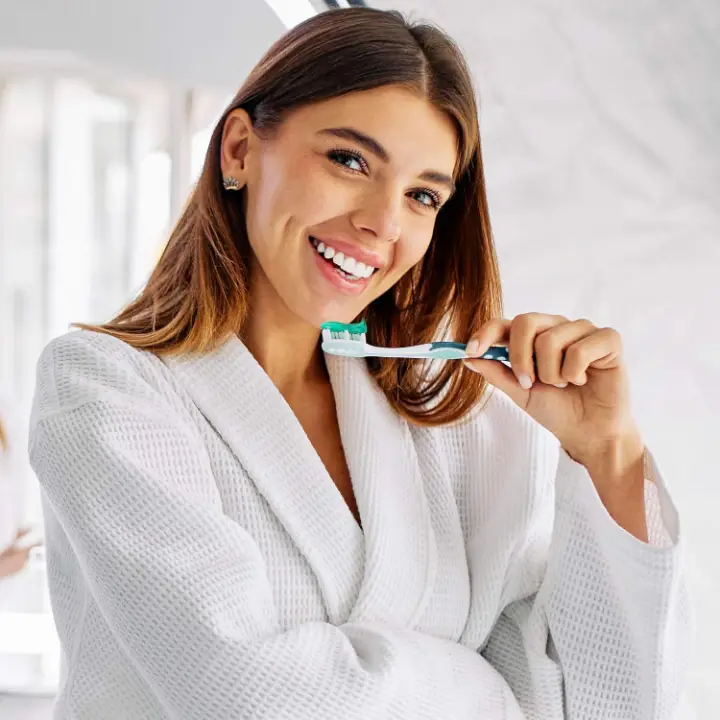
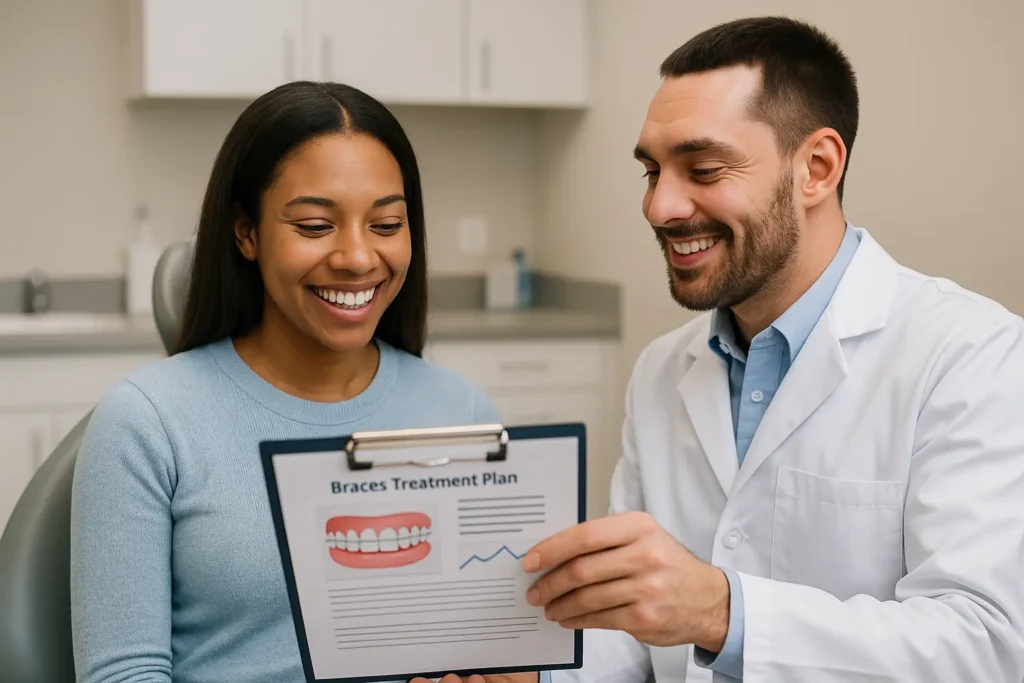
You pause in front of the mirror and gently press a tooth with your fingertip — wishing it were just a little straighter. You picture yourself smiling without hesitation, laughing freely, or speaking up in that meeting without worrying if people notice your teeth. 😬
But then, the thought of cost sneaks in. You open your laptop, type “cheap braces” into Google… and feel your stomach drop. The numbers seem huge, the options confusing, and the promises online — well, some sound too good to be true.
If that’s you right now, take a deep breath. ☕ You’re not alone — and you’re not stuck. This guide isn’t about finding the “cheapest” braces possible by cutting corners. It’s about finding safe, smart, affordable orthodontic care that actually works. Together, we’ll walk through every real option, talk about what “cheap” really means in dentistry, and help you understand how to save without sacrificing your smile or your health. ❤️
What Does “Cheap Braces” Really Mean?
When people say they want cheap braces, what they usually mean is they want good value — the best results for a fair price.
And that’s exactly the right mindset.
In dentistry, “cheap” should never mean poor-quality materials, rushed treatment, or risky shortcuts. It should mean accessible, effective care at a cost that fits your life.
The total price of orthodontic treatment varies because every mouth is different. Factors that shape your final cost include:
- Case Complexity: Fixing a small gap between front teeth costs less than correcting a deep overbite or crowded arch that needs two years of care.
- Treatment Type: Traditional braces, ceramic brackets, and clear aligners all use different materials and technology — and that changes cost.
- Location: A big-city practice may charge more than a suburban or small-town office due to rent and staffing differences.
- Provider Expertise: Orthodontists specialize exclusively in tooth movement and bite alignment, while general dentists who offer braces might charge less but may also refer complex cases out.
Imagine this:
👉 Maria is a college student who forgot her retainer after high school. Her front teeth shifted slightly. Her case is quick and simple — a short aligner treatment might cost under $3,000.
👉 John, on the other hand, has a deep bite and jaw tension. His case requires two years of braces and elastics. His plan costs more, but it also restores long-term comfort and function.
Same goal — straight teeth — completely different journeys and budgets. 🦷
Types of Braces (and What They Really Cost)
Let’s simplify the confusing part. Below is a clear look at the main orthodontic options you can choose from.
| Treatment Type | Average Cost Range (USA) | Pros | Cons | Best For |
|---|---|---|---|---|
| Metal Braces | $3,000 – $7,000 | Most affordable; extremely effective; works for all cases. | Most visible; minor discomfort at first. | Complex or long-term cases; budget-friendly patients. |
| Ceramic Braces | $4,000 – $8,000 | Less noticeable; blends with tooth color. | Slightly fragile; can stain. | Adults or teens wanting subtlety with power. |
| Clear Aligners | $3,500 – $8,500 | Nearly invisible; removable for meals; easy cleaning. | Requires discipline (22+ hrs/day); not ideal for severe issues. | Mild to moderate crowding or spacing. |
(National averages; your location and case may vary.)
Metal braces remain the gold standard for affordability and precision. They’ve come a long way — today’s brackets are smaller, smoother, and more comfortable than ever. 😊
Ceramic braces offer the same reliable mechanics but with a tooth-colored finish that many adults appreciate.
Clear aligners are the most modern choice — flexible, almost invisible, and lifestyle-friendly. If you’re disciplined about wearing them, they can deliver stunning results at a comparable cost.
Smart Strategies to Get Truly Affordable Braces 💙
Now, let’s talk about how real people actually make orthodontic treatment fit their budgets. These methods aren’t gimmicks — they’re proven ways patients save thousands while still receiving professional care.
1. Try a Dental School
If you’re lucky enough to live near a university with a dental or orthodontic program, you could save up to 60%. Students treat patients under the close supervision of licensed, experienced orthodontists. The trade-off? Appointments might take a little longer, but you receive top-tier care for a fraction of the price.
You can find accredited dental schools accepting patients through our internal guide:
👉 Dental Schools Accepting Patients Near Me
2. Join a Dental Discount Plan
This is one of the most effective cost-cutting tools most people overlook. A dental discount plan isn’t insurance — it’s a membership that gives you instant access to pre-negotiated savings at participating dentists.
You typically pay a small annual fee, then receive 15%–50% off procedures (including orthodontics) at offices within the network. There are:
- No waiting periods
- No annual limits
- No claim forms
Many patients start saving right away with a Dental Discount plan. It’s a simple, stress-free way to lower your braces cost from day one.
3. Ask About Payment Plans or Dental Loans
Please don’t hesitate to talk about money — dental professionals expect it! Nearly every orthodontic office offers interest-free monthly payment plans. Usually, you’ll pay a small down payment and then manageable installments over 18–24 months.
If you need more flexibility, many offices partner with healthcare financing providers like CareCredit. That’s where Dental Financing options come in handy — allowing you to spread the cost across time without delaying your care.
💬 “Good orthodontic practices care about access,” says Dr. Ramirez, an orthodontist in Austin. “We’d rather create a plan that fits your budget than see you put your health off for years.”
4. Maximize Your Insurance
If you have dental insurance, take a closer look. Some plans cover part of orthodontic treatment — especially for children, and increasingly for adults too.
Call your provider and ask:
- Do I have orthodontic coverage?
- What’s the lifetime maximum? ($1,500–$2,500 is common)
- Is there an age limit?
- Must I use an in-network provider?
Even partial coverage is real money saved. And if your child qualifies, don’t wait — benefits sometimes expire when a new plan year starts.
5. Use FSA or HSA Funds
If you have a Flexible Spending Account (FSA) or Health Savings Account (HSA), your pre-tax dollars can pay for braces. That means you effectively save the tax amount — often 20–30%!
It’s a quiet trick financial planners love. And it applies whether you’re using metal braces, ceramics, or even approved clear aligners. ☕
6. Get Multiple Consultations
It’s okay — even smart — to get more than one opinion. Most orthodontists offer free or low-cost consultations.
Visiting two or three offices lets you compare:
- Prices
- Treatment plans
- Personality fit and comfort
Sometimes another provider can achieve the same results in a simpler, shorter, or more affordable way.
To find trusted local professionals, use our Dentist Near Me directory — it connects you with licensed dentists across the U.S.
And if you’re scheduling your first appointment, check the Visit a Dentist Gift Card Offer — you could receive a $100 gift card just for completing your visit. 💳
Your Consultation Game Plan Checklist ✅
When you walk in for that first appointment, use this list to stay confident and in control:
- Ask for the total cost, including X-rays, adjustments, retainers, and follow-ups.
- Confirm if the first set of retainers is included.
- Request a written quote and detailed payment schedule.
- Bring your insurance and discount plan info so staff can calculate real out-of-pocket costs.
- Discuss alternative treatments — sometimes simpler braces can achieve similar results.
Knowledge is power. Every informed question you ask brings the cost — and the anxiety — down a notch.
The Red Flags: When “Cheap Braces” Turn Dangerous ⚠️
Let’s have an honest talk. While searching online, you’ll inevitably see DIY braces, social-media “hacks,” or mail-order aligners with no dentist supervision. Please don’t go down that path.
Moving teeth safely is a medical process — not a fashion trend. Doing it wrong can cause permanent harm.
Here’s what can go wrong:
- Root Damage: Pushing teeth too fast can shorten their roots, leading to tooth loss.
- Gum Recession: Poorly fitting aligners irritate gum tissue, causing painful exposure.
- Bite Problems: Teeth might look straight but won’t align correctly, triggering jaw pain or TMJ.
- Expensive Fixes: Correcting botched DIY results can cost double what professional care would have.
The American Dental Association (ADA) advises against attempting orthodontic treatments at home without professional supervision. DIY or mail-order braces can cause serious harm to your teeth, gums, and bite if not monitored by a licensed dentist or orthodontist. The ADA emphasizes that all forms of at-home orthodontic care should be approached with caution and under proper guidance.
You can read their official statement on safe dental care practices directly on the ADA website.
Dentist Insight 💬
“We’ve seen patients try to save a thousand dollars and end up spending five thousand to fix the damage,” says Dr. Lewis, orthodontist in Chicago. “The most expensive braces are the ones that fail.”
Are At-Home Clear Aligners Ever Safe (and Cheaper)?
Great question — because teledentistry is evolving fast. The key is professional supervision.
Legitimate aligner brands always involve licensed dentists who design and monitor your plan, even if it’s remote. You’ll send photos or scans, and they’ll track your progress.
If your case is mild — spacing, minor crowding, relapse from not wearing retainers — professionally monitored Clear Aligners can be an affordable, convenient option.
But remember: not everyone qualifies. Severe bite issues, missing teeth, or untreated cavities need in-person orthodontic care.
Curious which system fits you? Explore our Motto Clear Aligners Review for a transparent breakdown of real-world results.
The Bigger Picture: Why Straight Teeth Matter Beyond Looks
Let’s zoom out for a second. Straightening your teeth isn’t just about selfies — it’s about health.
According to the National Institute of Dental and Craniofacial Research (NIDCR), maintaining proper tooth alignment is essential for long-term oral health. When your teeth fit together correctly, they’re easier to brush and floss, helping prevent cavities, plaque buildup, and gum disease over time. Proper alignment also supports balanced chewing and protects your enamel from uneven wear.
You can explore more about oral health and preventive care directly on the NIDCR’s official website.
When your bite fits correctly:
- You chew efficiently (less strain on your jaw)
- You prevent uneven enamel wear
- You reduce the risk of bone loss around teeth
So while braces change your smile on the outside, they protect your oral ecosystem on the inside. 💙
A Real-Life Transformation
David, a 52-year-old patient, came to his dentist ashamed of his crooked front teeth. He hadn’t smiled in photos for decades. A year after starting treatment, he returned for a cleaning — grinning ear to ear.
“My daughter got married last month,” he said. “For the first time, I didn’t hide my teeth. I just smiled.”
That’s what braces are truly about — reclaiming confidence, connection, and joy. ❤️
Bonus Savings Tips You Might Not Know
🪥 Ask About Family Discounts: Some offices reduce fees when multiple family members start treatment together.
💳 Inquire About Referral Programs: Many practices give small credits when you refer friends.
📅 Schedule Around Promotions: Back-to-school and new-year seasons often feature orthodontic specials.
💬 Online Consults: Some practices offer free virtual assessments — convenient for comparing estimates without travel.
And if anxiety or pain is a concern, remember: you can always chat instantly with a licensed professional through JustAnswer Dental Experts. They’ll guide you before your appointment so you feel prepared and safe.
Step-by-Step: Your Path to a Confident, Affordable Smile
Here’s how to move from “researching” to smiling in the mirror:
- Evaluate Your Needs: Use our Braces Cost Calculator to estimate your baseline.
- Check Eligibility: If mild crowding or spacing, explore Clear Aligners.
- Find a Dentist You Trust: Use the Dentist Near Me locator.
- Ask About Discounts & Plans: Combine Dental Discount with Dental Financing for maximum savings.
- Stay Consistent: Follow your orthodontist’s instructions, keep appointments, and wear retainers faithfully afterward.
Your smile will thank you — for decades. ✨

Your Takeaway: “Cheap” Should Still Mean Quality
It’s completely normal to want to save money on braces. But the right approach combines affordability with safety.
So instead of chasing the lowest online deal, think like this:
💡 “How can I make professional care more affordable?”
That’s where the magic happens — dental schools, discount plans, flexible financing, and trusted professionals all working together for you.
Millions of Americans have found their affordable path to straight teeth — and you can too. The journey starts with one brave decision: to take care of yourself.
So go ahead — reach out for that consultation. A confident, healthy smile isn’t a luxury. It’s your next chapter. 😊
Medical Disclaimer:
Content on HiTechDental.info is for educational purposes only and not a substitute for examination or diagnosis by a licensed dentist. If you experience pain, swelling, or urgent dental symptoms, seek professional care immediately.
Affiliate Disclosure:
HiTechDental.info participates in affiliate programs (including Amazon and other trusted partners). When you buy through our links, we may earn a small commission — at no extra cost to you. These partnerships help keep our guides accurate, independent, and free for readers.
© 2025 HiTechDental.info | All rights reserved.